
Animal Portraits: Art That Captures the Imaginative Spirit

Art has a unique ability to evoke emotions, tell stories, and capture the essence of its subjects. Among various forms of art, animal portraits stand out as a captivating genre that not only showcases the beauty of wildlife but also reflects the imaginative spirit of both the artist and the viewer. In this blog post, we will explore the world of animal portraits, their significance, techniques, and the impact they have on art enthusiasts and nature lovers alike.
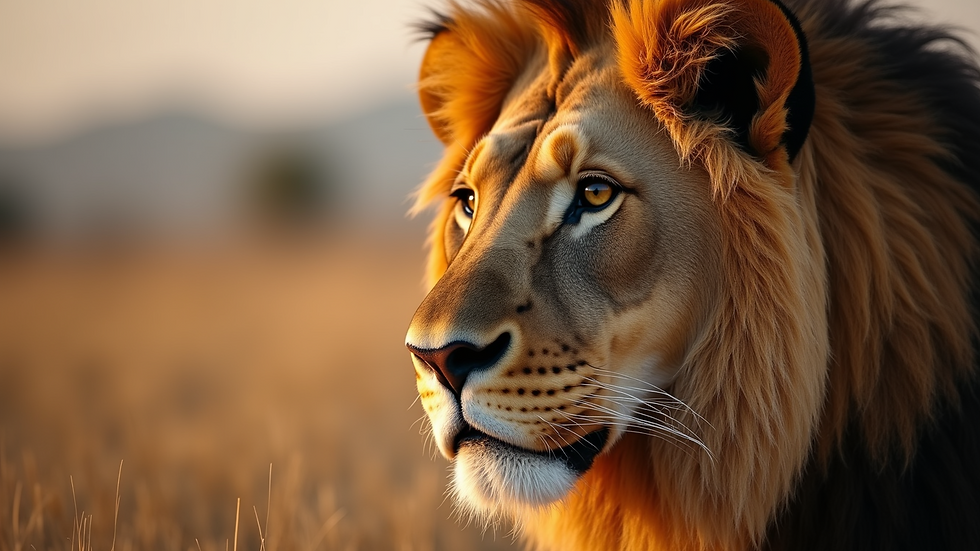
The Significance of Animal Portraits
Animal portraits serve multiple purposes in the art world. They can be a celebration of nature, a means of raising awareness about endangered species, or simply a way to appreciate the beauty of animals. Here are some key reasons why animal portraits hold a special place in the hearts of many:
Connection to Nature
Animal portraits create a bridge between humans and the natural world. They remind us of the beauty and diversity of wildlife, encouraging us to appreciate and protect our environment. Through these artworks, viewers can develop a deeper understanding of animal behavior, habitats, and the challenges they face.
Emotional Resonance
Animals often evoke strong emotions in people. A well-executed portrait can capture the personality and spirit of an animal, allowing viewers to connect with it on a personal level. Whether it's the fierce gaze of a tiger or the gentle eyes of a deer, these portraits can stir feelings of admiration, empathy, and even nostalgia.
Artistic Expression
For artists, animal portraits provide a canvas to express their creativity and technical skills. Different styles, from realism to abstract, allow artists to experiment with colors, textures, and forms. This genre encourages innovation and personal interpretation, making each piece unique.
Techniques in Creating Animal Portraits
Creating compelling animal portraits requires a combination of artistic skill and an understanding of animal anatomy and behavior. Here are some common techniques used by artists:
Observation and Reference
Before putting brush to canvas, artists often spend time observing their subjects. This can involve visiting zoos, wildlife reserves, or even observing pets at home. Taking photographs or sketching from life helps artists capture the nuances of an animal's form and expression.
Choice of Medium
Artists can choose from various mediums to create animal portraits, including:
Oil Paints: Known for their rich colors and blending capabilities, oil paints allow for detailed textures and depth.
Watercolors: These can create soft, ethereal effects, perfect for capturing the delicate features of animals.
Pastels: Ideal for vibrant colors and smooth transitions, pastels can bring a unique softness to animal portraits.
Digital Art: With the rise of technology, many artists now create stunning animal portraits using digital tools, allowing for endless experimentation.
Composition and Lighting
The composition of an animal portrait is crucial in conveying its essence. Artists often consider the following elements:
Framing: The way an animal is positioned within the frame can highlight its features and personality.
Lighting: Natural light can enhance textures and colors, while dramatic lighting can create mood and depth.
Famous Animal Portrait Artists
Throughout history, many artists have made significant contributions to the genre of animal portraits. Here are a few notable figures:
John James Audubon
Audubon is renowned for his detailed illustrations of birds in their natural habitats. His work not only showcases the beauty of avian life but also serves as an important scientific record. His dedication to accuracy and detail has made his portraits iconic.
Franz Snyders
A Flemish painter from the 17th century, Snyders was known for his vibrant still-life paintings featuring animals. His ability to capture the liveliness and character of his subjects has left a lasting impact on the art world.
Robert Bateman
A contemporary Canadian artist, Bateman is celebrated for his realistic wildlife paintings. His work often emphasizes the relationship between animals and their environments, raising awareness about conservation issues.
The Impact of Animal Portraits on Conservation
Animal portraits can play a vital role in conservation efforts. By raising awareness about endangered species and their habitats, artists can inspire action and support for wildlife preservation. Here are some ways in which animal portraits contribute to conservation:
Fundraising and Awareness Campaigns
Many artists donate their work to wildlife organizations or participate in exhibitions that raise funds for conservation projects. These initiatives not only generate financial support but also educate the public about the importance of protecting wildlife.
Inspiring Action
Art has the power to inspire change. A striking animal portrait can evoke a sense of urgency and responsibility in viewers, motivating them to take action, whether through donations, volunteering, or advocating for policy changes.
Educational Tools
Animal portraits can serve as effective educational tools in schools and communities. They can spark discussions about biodiversity, ecosystems, and the importance of conservation, helping to foster a new generation of environmentally conscious individuals.
How to Create Your Own Animal Portrait
If you're inspired to create your own animal portrait, here are some steps to guide you through the process:
Step 1: Choose Your Subject
Select an animal that resonates with you. It could be a beloved pet, a local wildlife species, or an exotic creature. Research its characteristics and behavior to better understand your subject.
Step 2: Gather Reference Material
Collect photographs, videos, or sketches of your chosen animal. Pay attention to details such as fur patterns, colors, and expressions. This reference material will be invaluable during the creation process.
Step 3: Select Your Medium
Decide on the medium you want to use. Each medium has its unique qualities, so choose one that aligns with your artistic style and the effect you want to achieve.
Step 4: Sketch the Outline
Begin by sketching the basic outline of your animal. Focus on proportions and positioning. Don’t worry about details at this stage; just get the overall shape right.
Step 5: Add Details and Color
Once you’re satisfied with the outline, start adding details. Work on textures, colors, and shadows to bring your portrait to life. Take your time and don’t rush this process.
Step 6: Final Touches
After completing the main elements, step back and assess your work. Make any necessary adjustments and add final touches to enhance the overall composition.
Conclusion
Animal portraits are more than just representations of wildlife; they are a celebration of the beauty and diversity of the natural world. Through their emotional resonance and artistic expression, these portraits connect us to animals and inspire us to protect them. Whether you are an artist or an admirer, the world of animal portraits offers endless opportunities for exploration and appreciation. So, pick up your brush or simply enjoy the works of others, and let the imaginative spirit of animal portraits inspire you.

Comments